
PAGASA: It is Officially Summer! - Warmer Than Usual But Not as Extreme as 2024
PAGASA officially declares the start of summer in the Philippines, with temperatures expected to be warmer than normal—but not as extreme as the record-breaking heat of 2024. Stay updated on forecasts and heat advisories.
TOP STORIESWEATHER
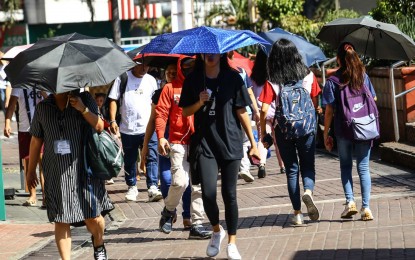
MANILA, Philippines - The Philippine Atmospheric, Geophysical and Astronomical Services Administration (PAGASA) has officially announced the onset of the country’s warm and dry season, signaling the end of the cooler Amihan months.
According to the state weather bureau, the shift was triggered by the development of a high-pressure system over the northwestern Pacific. This caused prevailing winds to change from northeasterly to easterly - an atmospheric transition that marks the conclusion of the northeast monsoon and the beginning of hotter, more humid conditions nationwide.
PAGASA Administrator Dr. Nathaniel Servando confirmed the seasonal change, noting that Filipinos should now prepare for rising temperatures and increasingly humid weather.
As the dry season sets in, daily temperatures are expected to steadily climb across the country. While generally hot conditions will dominate, isolated thunderstorms particularly in the afternoons may still occur.
Weather experts warn that the heat will intensify in the coming weeks, with peak temperatures likely to be recorded between April and the first half of May. Alongside the rising heat, lower chances of rainfall and higher heat index levels are also anticipated.
Hotter Than Usual But Not Like 2024
PAGASA projections indicate that this year’s summer could feel warmer than in recent years, especially during April and May.
In Northern Luzon, temperatures may reach as high as 40.5°C in April and slightly lower at 40.2°C in May. Lowland areas in Luzon could see temperatures hovering around 40.0°C in April and 39.7°C in May.
Metro Manila is also expected to experience intense heat, with forecasts reaching up to 39.0°C in April and around 37.5°C in May.
Senior climatologist Dr. Joseph Basconcillo explained that while the temperatures this year may exceed typical averages, they are not expected to surpass the extreme conditions recorded in 2024.
That year’s intense heat was largely driven by a strong El Niño event, which significantly elevated temperatures nationwide. PAGASA officials emphasized that, despite the anticipated warmth this season, 2024 remains hotter in comparison.
Water Supply Still Stable
Amid concerns about water availability during the dry months, PAGASA assured the public that current dam levels remain within safe and manageable ranges.
Hydrometeorology Division Chief Socrates Paat noted that water reserves are still at comfortable levels relative to normal conditions, easing fears of immediate shortages. However, authorities are still encouraging the public to practice responsible water use both at home and in daily activities.
What to Expect in the Coming Months
The dry season in the Philippines typically lasts until late May or early June, when the southwest monsoon, or Habagat, begins to bring increased rainfall.
Until then, Filipinos are advised to take precautions against heat-related illnesses, stay hydrated, and monitor official weather updates as temperatures continue to rise.
About us
Contact us
Terms & Conditions
Privacy policy


A Philippines-based news platform delivering the latest and viral stories. Built on truth, driven by relevance, we bring you what matters, so you stay informed, street-smart, and ahead of the curve - locally grounded, globally connected.