
Diesel Overtakes Gasoline: Shocking Price Reversal Hits Drivers Hard
Diesel prices have overtaken gasoline in the Philippines, shocking drivers and raising transport costs. Here is what is driving the sudden fuel price reversal.
NEWS
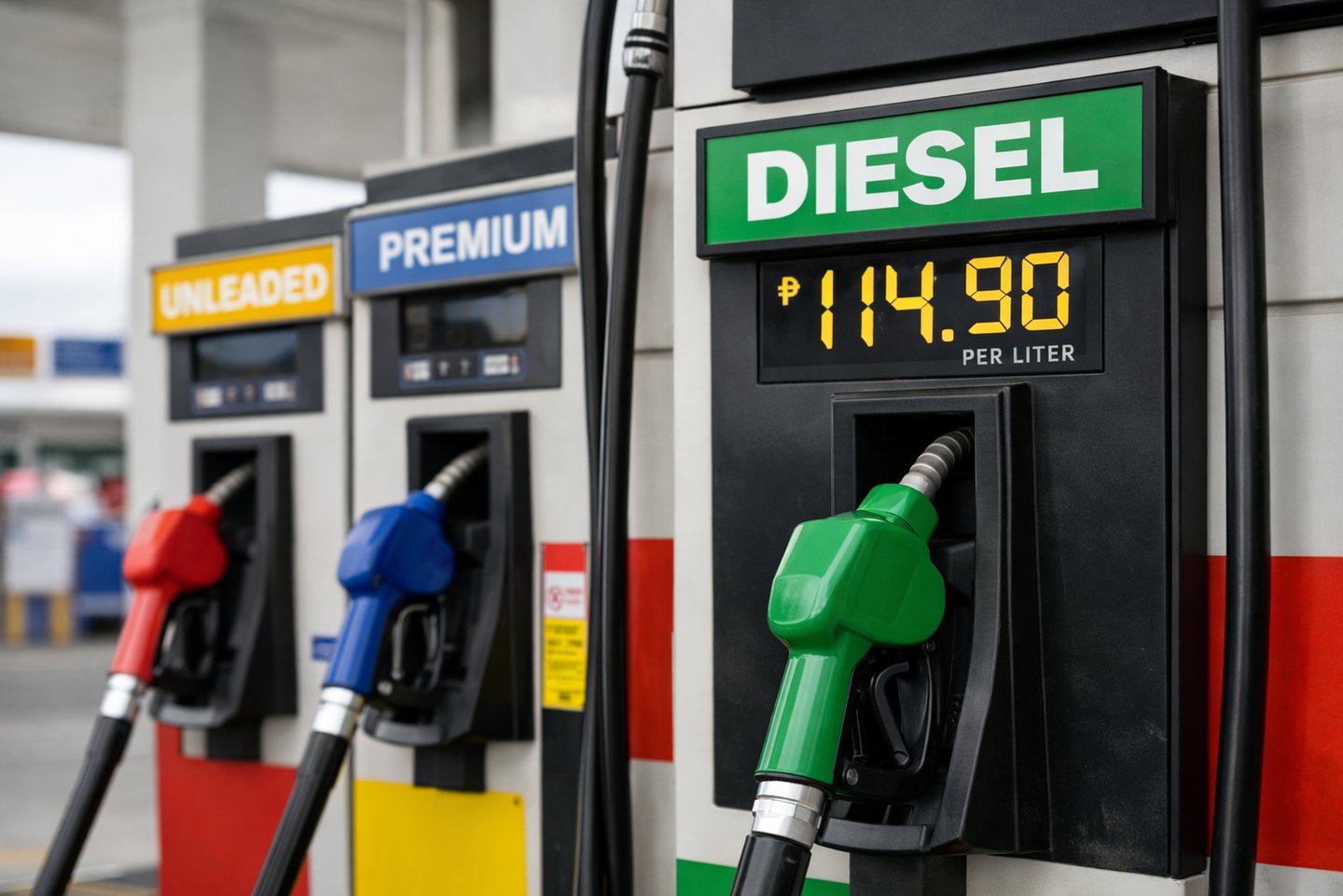
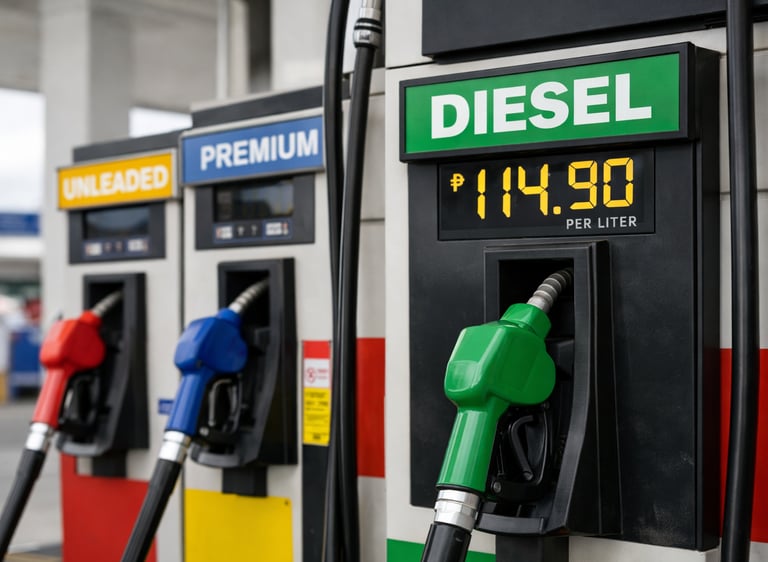
MANILA, Philippines - Diesel prices have surged past gasoline in parts of the country following one of the steepest fuel price increases in recent years, marking a rare reversal that is now straining transport operators, businesses, and consumers alike.
Data from oil industry sources and recent pump adjustments show that diesel, long regarded as the cheaper fuel option, has risen more sharply than gasoline, with some stations posting prices that now exceed those of unleaded fuel.
Current Pump Prices (March 2026)
Following the latest round of price hikes:
Diesel: approximately ₱94 to ₱114 per liter in Metro Manila and nearby areas
Gasoline (Unleaded): around ₱75 to ₱90 per liter, depending on grade and station
The figures reflect a widening gap driven not just by higher prices, but by the faster pace of diesel increases, a shift that industry observers describe as unusual.
Rapid Price Escalation
Oil companies implemented staggered adjustments this week, with diesel prices increasing by as much as ₱20 to ₱23.90 per liter significantly higher than the hikes recorded for gasoline during the same period.
The sharp escalation has pushed diesel into levels not typically seen relative to gasoline, reversing a long-standing pricing pattern in the domestic fuel market.
Impact on Transport and Daily Costs
The consequences are immediate and far-reaching.
Diesel powers the backbone of the Philippine economy, including jeepneys, buses, delivery trucks, and agricultural machinery. With fuel costs rising sharply, transport groups have warned of mounting financial pressure and are renewing calls for fare adjustments.
Operators say the sudden spike has significantly increased daily operating expenses, cutting into already narrow margins. Economists, meanwhile, caution that the surge could feed into higher prices for goods and services, adding to inflationary pressures.
What is Driving the Surge
Energy analysts attribute the spike to a combination of global and domestic factors:
Tight global supply of diesel, driven by strong industrial and shipping demand
Geopolitical tensions affecting oil production and distribution
Higher refining costs for middle distillates such as diesel
Currency pressures, with a weaker peso increasing the cost of imported fuel
These factors have pushed diesel prices upward at a faster rate than gasoline, resulting in the current imbalance.
Government Monitoring
Government agencies have said they are closely monitoring the situation, with fuel subsidy programs for public utility vehicle drivers still in place.
However, transport groups are urging additional relief measures, warning that sustained high diesel prices could disrupt operations and place further burden on commuters.
A Rare Market Shift
Industry observers note that diesel has traditionally been priced lower than gasoline due to differences in refining processes and demand patterns.
Its current trajectory, overtaking gasoline in price, signals significant strain in global supply chains and highlights the volatility of international oil markets.
For consumers, the implications are clear: higher transport fares, increased cost of goods, and growing pressure on household budgets.
Outlook
With global oil markets remaining volatile, analysts say fuel prices may stay elevated in the near term.
For now, motorists and businesses are left adjusting to a new reality — one where diesel is no longer the cheaper alternative, but a leading driver of rising costs.
About us
Contact us
Terms & Conditions
Privacy policy


A Philippines-based news platform delivering the latest and viral stories. Built on truth, driven by relevance, we bring you what matters, so you stay informed, street-smart, and ahead of the curve - locally grounded, globally connected.